
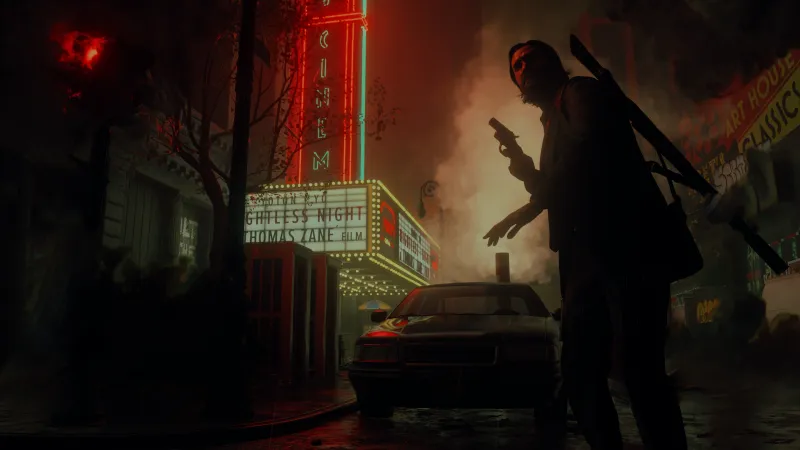
Remedy Entertainment returns to its signature experimental roots in Alan Wake 2, a high-budget, genre-bending sequel that masterfully balances ambitious storytelling with frustrating technical and design hurdles. After 13 years of limbo, the game finally brings Alan back to the surface, though the journey is marred by persistent bugs that occasionally force complete re-installations—a reality that challenges even the most devoted fan’s patience.
A Narrative Masterpiece of Meta-Storytelling
Alan Wake 2 picks up exactly where the original left off, following a protagonist desperate to write his way back to reality. Beyond the surface-level survival horror, the narrative dives deep into the nature of creativity, the fragility of memory, and the complexities of parenthood and human connection. Remedy utilizes morose voiceovers, stunning visual fidelity, and surreal set pieces to craft a story that stands out as a unique pillar in modern gaming. While I occasionally craved more interactivity during internal monologues, the sheer audacity of the presentation kept me hooked throughout the experience.
The Investigative Divide: Saga vs. Alan
The introduction of Saga Anderson as a playable protagonist offers a fresh perspective, though her gameplay mechanics provide mixed results. While her personal arc and the mystery surrounding her family are undeniably the most compelling threads in the game, her “investigative techniques” feel underwhelming. The game often forces players to watch Saga simply “know” facts through supernatural intuition, turning the evidence-gathering process into a paint-by-numbers exercise that lacks genuine player discovery.
Conversely, Alan’s segments in the abstract “Dark Place” lean heavily into disorientation. While narratively fitting for a man lost in a nightmare, the design becomes opaque. Navigating the environment—compounded by a troublesome map and doors that shift exits based on lighting—often drifts from challenging to actively joyless.
Combat: A Delicious But Rare Treat
When the action does erupt, the combat is a highlight. The core loop of using a flashlight to expose enemies before delivering a shotgun blast is tighter and more satisfying than ever. However, the game actively discourages engagement; with scarce ammunition and a reliable dodge mechanic, combat feels like a decadent dessert you are forced to avoid for the sake of your diet. While the finale offers an action-packed homage to the original, the scarcity of fights throughout the bulk of the game feels like a missed opportunity to leverage such solid mechanics.
The Frustration of Pacing and Design
Alan Wake 2 frequently falls victim to an irritating industry trope: artificial progression barriers. Players are constantly tasked with finding “Items A, B, and C” simply to open a door, only for the game to cut power or block the path just as you approach. While this is thematically consistent with a story being “written” in real-time, it feels practically antagonistic toward the player, serving only to slow momentum during critical narrative beats.
Final Verdict
I have waited over a decade for this sequel, and on a narrative level, the payoff is substantial. I am thoroughly satisfied with the events that unfold and warmly welcome Saga into the Remedy universe. However, the experience of actually playing the game—navigating its clunky environments and wrestling with technical bugs—often feels like an unnecessary hurdle. For fans invested in the lore, Alan Wake 2 is a resounding success, but it is one that requires you to push through significant gameplay friction to reach its brilliant conclusion.