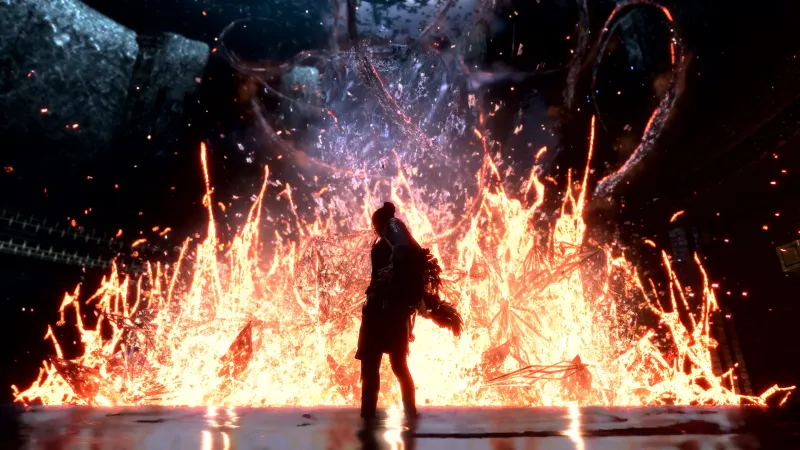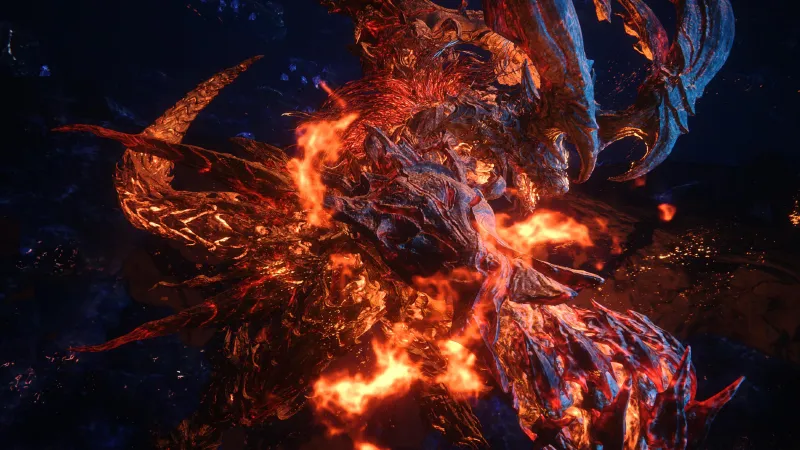

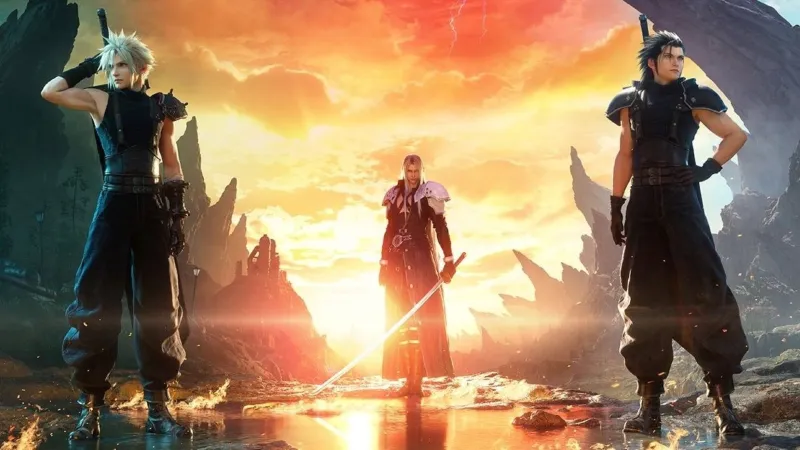
Final Fantasy VII Rebirth successfully translates the most pivotal chapter of Gaia’s journey into a modern epic, though it occasionally struggles under the weight of its own ambition. Spanning 80 hours of gameplay, this sequel challenges players to stop Sephiroth’s plan to destroy the planet, serving as both a direct follow-up to 2020’s Final Fantasy VII Remake and a bold expansion of a classic narrative. While the title delivers an awe-inspiring finale and top-tier storytelling, it is frequently hindered by a bloated open-world design and inconsistent pacing.
Stepping Out of Midgar: A World Reimagined
The journey begins in the town of Kalm, providing a masterclass in environmental recreation. Seeing iconic locations like Junon, Cosmo Canyon, and Nibelheim rendered with 2024 technology is a constant delight. However, this visual splendor is not without technical hitches. Players will encounter noticeable asset pop-in and jarring lighting transitions between indoor and outdoor spaces. Furthermore, the performance mode—while targeting 60 FPS—suffers from significant blurriness, leading many to prefer the stability of the 30 FPS graphics mode, even with recent patches.
The Open-World Dilemma
Surrounding the game’s core locations is a sprawling map packed with activities, including combat challenges, card games, and intel towers. While initially engaging, these tasks eventually fall into a repetitive loop. The lack of variety in open-world objectives becomes a point of fatigue, particularly when traversal mechanics involving Chocobos—such as mushroom-hopping or wind gliding—feel more tedious than rewarding. Despite this, highlights like the Queen’s Blood card game and character-driven side quests provide necessary moments of levity and charm.
Elevated Combat and Narrative Depth
The combat system builds brilliantly upon the real-time action-strategy foundation of Remake. The addition of new party members like Red XIII, Yuffie, and Cait Sith introduces refreshing layers of speed and strategy. The new Synergy Abilities are a standout addition, allowing for tactical depth that rewards player experimentation. Narrative-wise, Square Enix remains deeply faithful to the source material while expanding the lore in meaningful ways, particularly through the emotional growth of the party as they venture into the unknown.
Shinra’s Shadow and the Final Act
Rebirth serves as a stark commentary on corporate greed, contrasting the neon-lit excess of the Gold Saucer with the ruined, resource-depleted Corel region. This environmental storytelling adds weight to Cloud’s mission. While some chapters suffer from “overstuffed” pacing—such as the transition from the excitement of the Gold Saucer to a grueling list of chores in the desert—the narrative momentum eventually recovers. The sparse use of Sephiroth ensures his presence remains terrifying, leading into a final act that serves as a mind-bending test of both combat skill and narrative comprehension.
Verdict: A Reverent, If Bloated, Love Letter
Ultimately, Final Fantasy VII Rebirth is a deeply reverent love letter to one of the most beloved RPGs of all time. It captures the magic of the original while pushing the boundaries of modern design. Although the open-world checklist bloat occasionally obscures the game’s brilliance, the stellar combat, gorgeous score, and character-driven moments ensure that the journey across Gaia remains an essential experience for fans of the franchise.