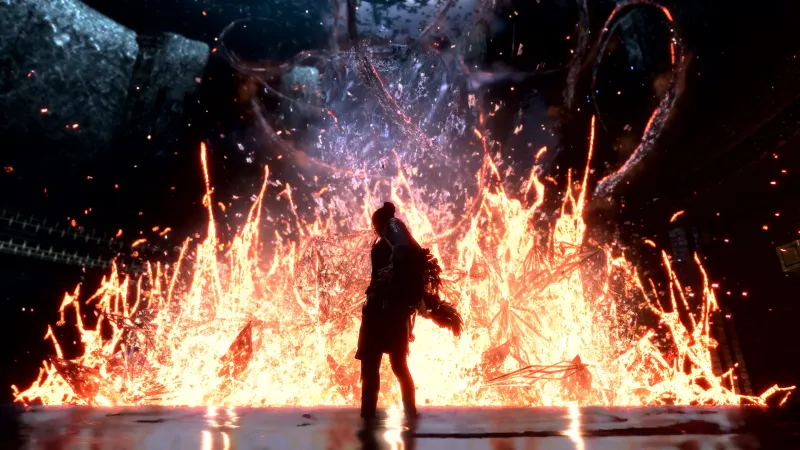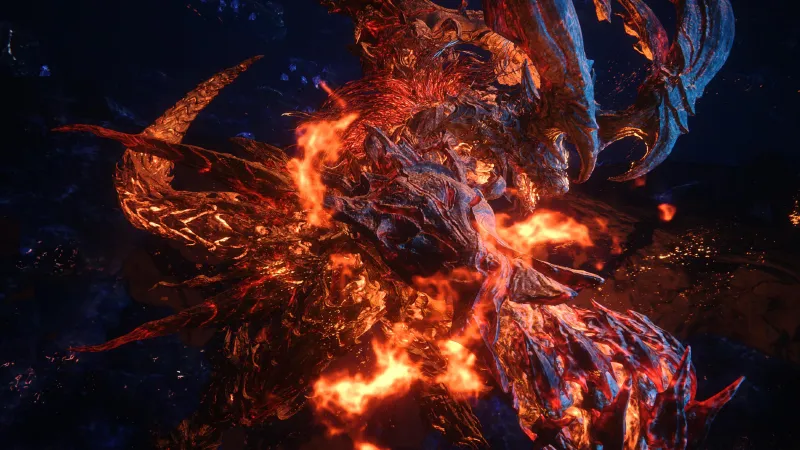

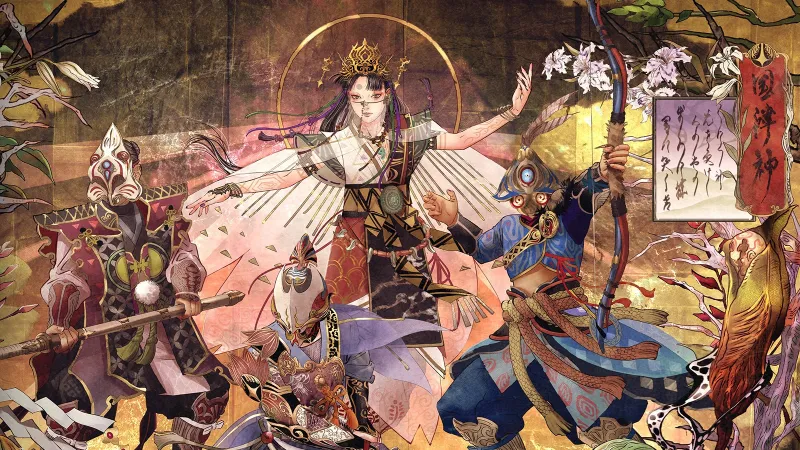
Kunitsu-Gami: Path of the Goddess is the rare, inventive Capcom title that feels destined for cult-classic status. By stepping away from the publisher’s established franchises, the game delivers an original, addictive gameplay loop paired with a striking visual identity that is impossible to ignore.
Defending the Maiden on Mt. Kafuku
Players step into the shoes of Soh, a masked swordsperson tasked with guarding the divine maiden, Yoshiro. As she performs a sacred dance along the path of Mt. Kafuku to purge the land of demonic corruption, players must balance exploration with intense defense. During daylight hours, you scour the map for experience points and rescue villagers, assigning them specific roles to fortify your defenses before night falls and the demons swarm from the gates.
A Genre-Bending Strategic Loop
While Kunitsu-Gami defies simple categorization, it functions primarily as a tower defense title with significant influence from the Pikmin series. The experience is multifaceted: you are simultaneously executing precise sword combos, strategically positioning troops in real-time, and restoring ruined villages between major combat sequences. The game maintains a brisk pace, ensuring that the repetitive nature of the genre never feels like a chore.
Dynamic Challenges and Evolving Strategy
The game constantly keeps players on their toes, introducing fresh scenarios—such as navigating across lakes on moving boats or facing bosses that demand a complete shift in tactics. Even in levels where combat is restricted and you must rely solely on directing your villagers, the tension and excitement remain high. The challenge is calibrated effectively; while higher difficulties and New Game Plus modes will test your skills, the game avoids the frustration of overly long encounters that force tedious restarts.
Progression and Village Restoration
Beyond the primary protection missions, players return to liberated villages to oversee repairs of demon-ravaged homes. This restoration process rewards you with experience and resources essential for upgrading Soh and various villager classes. This satisfying progression loop creates a “just one more turn” addictive quality, as the quiet moments between battles serve as the perfect opportunity to experiment with new upgrades.
A Standalone Triumph
Kunitsu-Gami’s narrative is minimalist, relying on choreography and visual storytelling rather than dialogue. While the story lacks a deeply emotional climax, the journey up Mt. Kafuku remains consistently engaging. Whether Capcom decides to expand this into a larger franchise or allows it to stand as a singular, experimental success, the game stands as a polished and highly satisfying experience.