
The first half of Lost Records: Bloom & Rage, the latest supernatural teen drama from Don’t Nod, proves that the studio has recaptured the magic that defined their breakout 2015 hit, Life Is Strange. Despite the game’s central mystery remaining largely under wraps, the expert weaving of past and present timelines creates an immediate, gripping narrative that has already hooked me ahead of its full release this April.
A Nostalgic Return to the ’90s
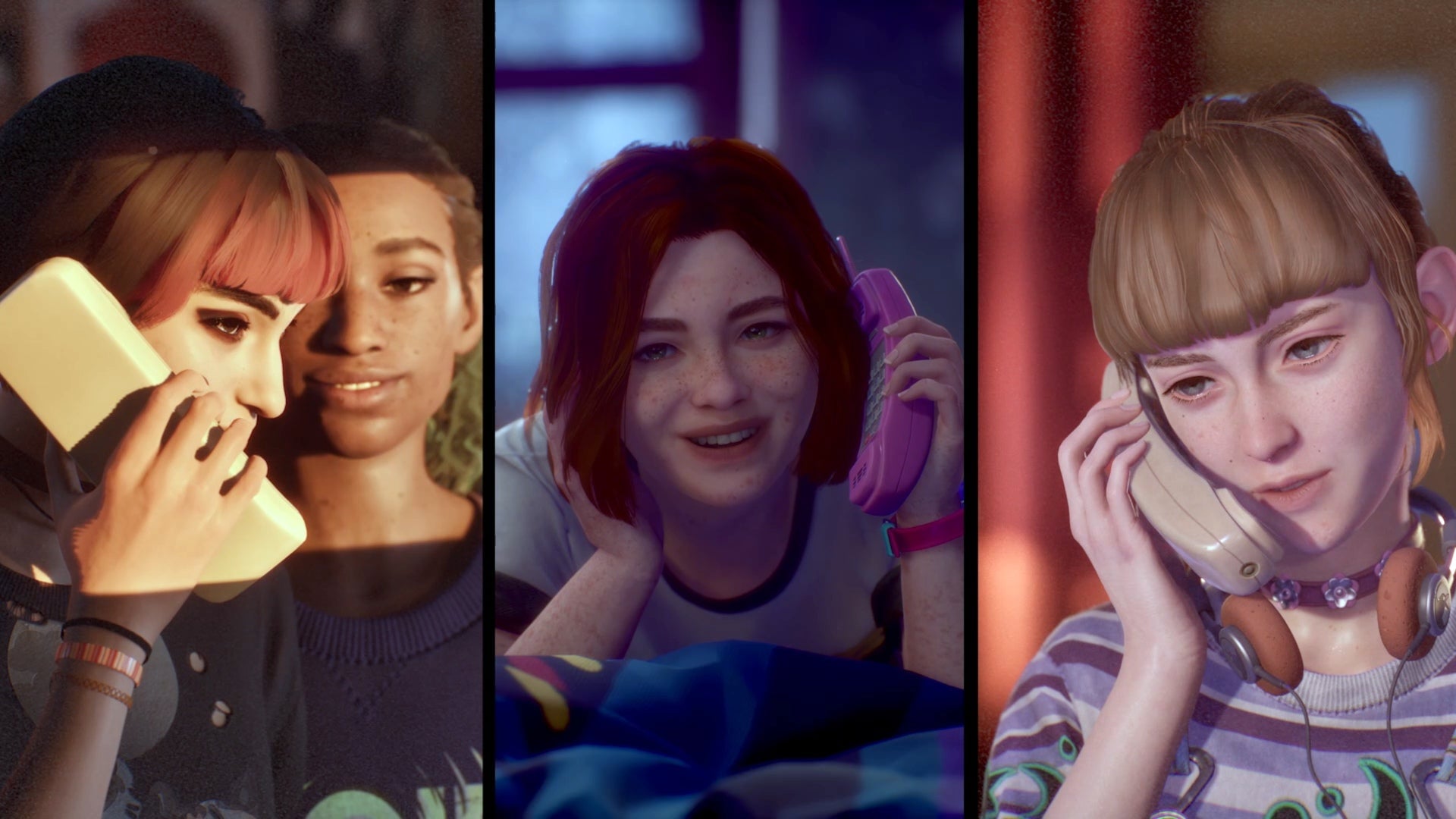
Set in the fictional small town of Velvet Cove, Michigan, the story centers on four girls during the mid-90s. We follow Swann, a socially awkward teenager who documents her world through a camcorder. As her family prepares to move away, she forms an unlikely bond with three distinct peers: Autumn, the disciplined ice cream shop employee; Nora, the punk-rock spirit; and Kat, an angsty aspiring writer. Together, they navigate the trials of adolescence, from dealing with local bullies to establishing a secret hideout and forming a punk band.
Character-Driven Gameplay
Swann stands out as one of the most relatable protagonists in recent gaming history. Her spirited yet reserved nature is masterfully reflected in the player’s dialogue choices. Every interaction feels like a deliberate push to help Swann “take up space,” whether that means expressing joy with her friends or navigating the anxiety of wondering if she truly belongs in the group.
The Double-Edged Sword of Memory
Lost Records expertly balances its ’90s setting with a present-day narrative where the characters reunite in their 40s. These interstitial flashbacks highlight the continuity of human insecurity. Even as adults, the characters grapple with the same self-doubt and social anxieties they felt as teenagers, suggesting that some parts of ourselves never truly change, no matter how much time passes.
High-Stakes Emotional Mechanics
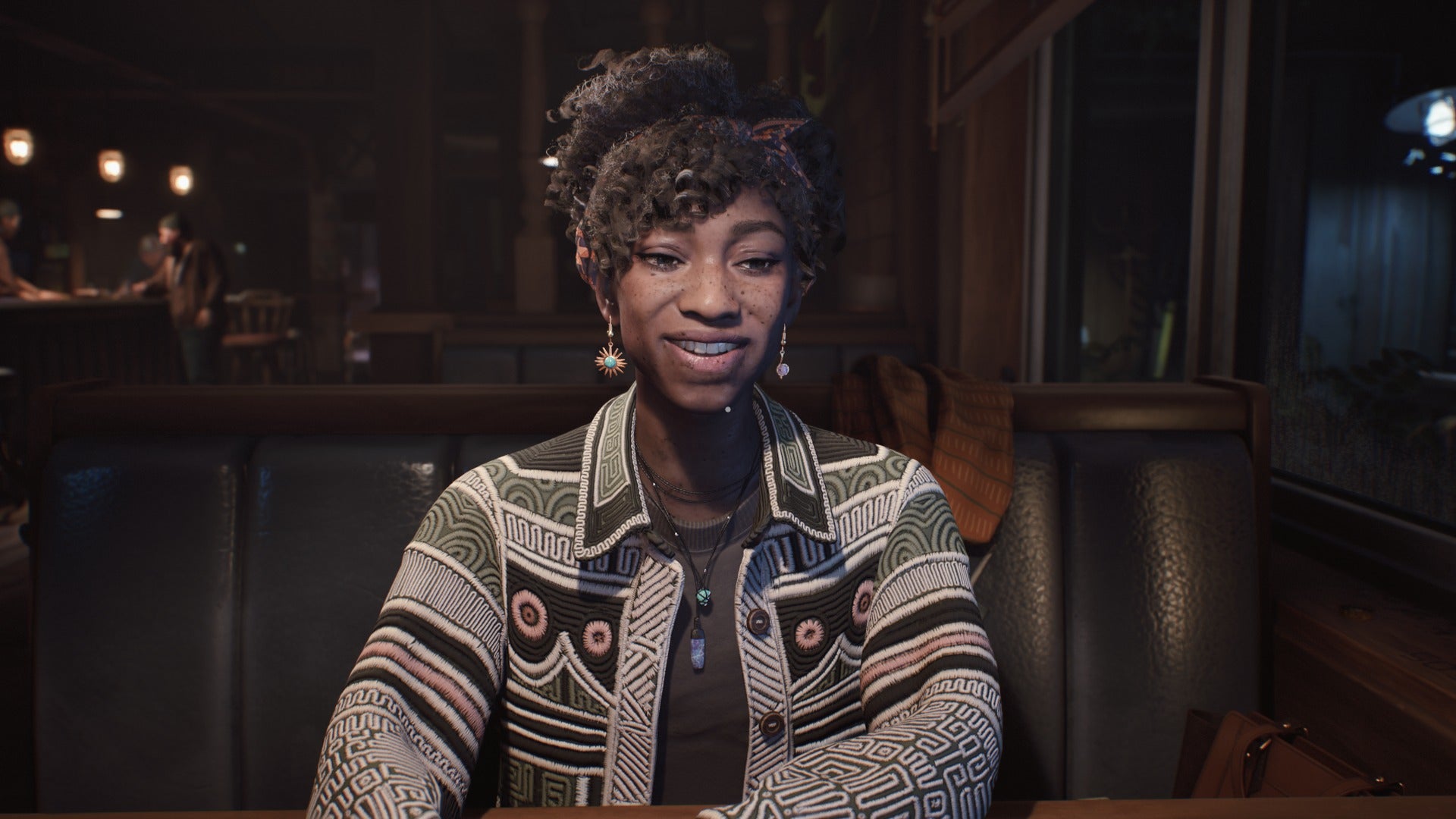
The game turns social interaction into a high-stakes mechanic. Dialogue choices are accompanied by heart icons—either whole or broken—signifying how each friend reacts to your words. This system makes the fear of saying the “wrong thing” feel tangible and agonizing. It perfectly captures the vulnerability of trying to be seen and accepted by those you care about most, making the social consequences feel deeply personal.
Creative Expression Through the Lens
Beyond dialogue, the game introduces a Pokémon Snap-style recording mechanic. Swann feels most comfortable behind her camcorder, and players are encouraged to capture footage of friends, nature, and the citizens of Velvet Cove. While it occasionally feels like a collectathon, the system is flexible enough to allow for genuine creative expression, serving as a charming buffer before the narrative’s more intense, emotional beats.
The Mystery of Velvet Cove
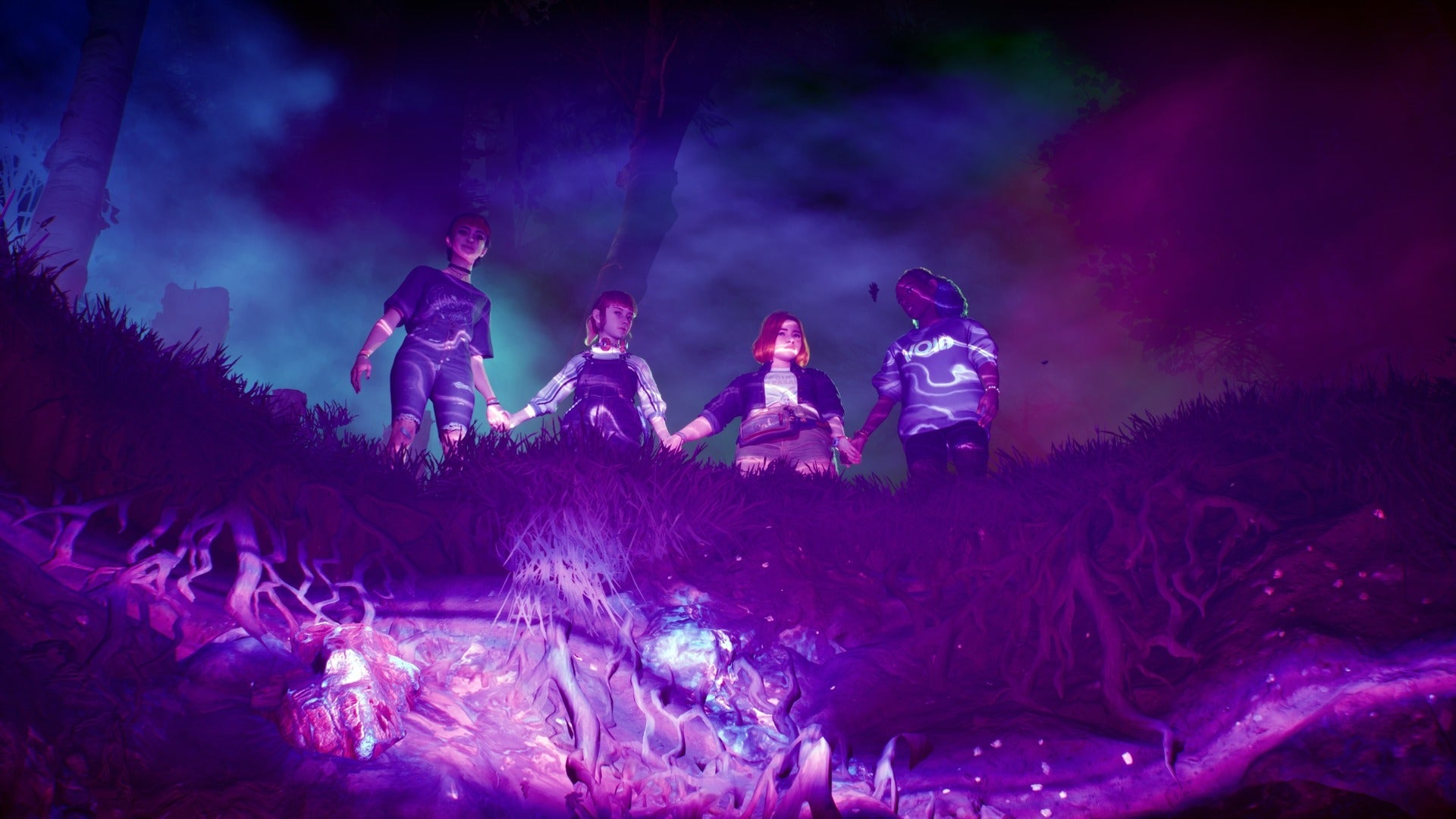
While the first half of the game largely hints at the broader mystery, it is clear that a dark, unspeakable event in the ’90s continues to haunt these women. As they return to Velvet Cove, they are forced to confront truths they have spent decades avoiding. With the final chapter arriving on April 15, the stage is set for a powerful conclusion to this episodic journey.