
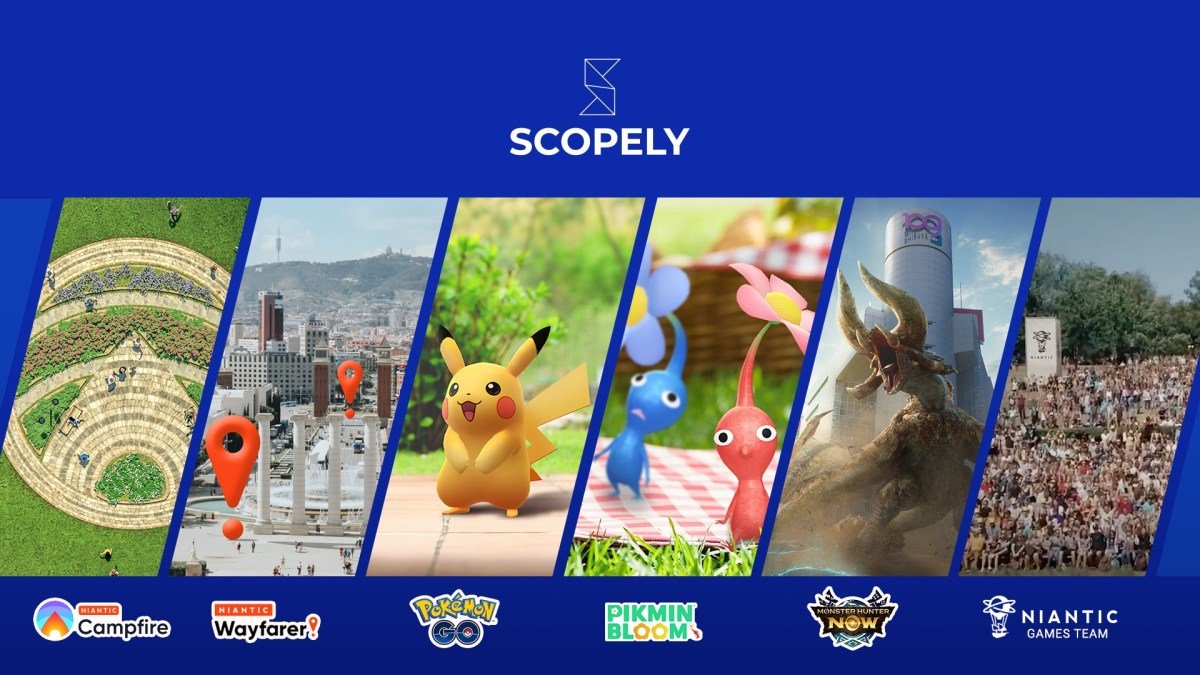
Niantic, the developer behind the global phenomenon Pokémon GO, is offloading its games division to mobile gaming giant Scopely in a deal valued at $3.5 billion, signaling a strategic pivot away from traditional game development.
The Struggle Beyond Pokémon GO
While Niantic has launched several well-received titles in recent years, none have managed to replicate the massive success of Pokémon GO. Even within its flagship title, the player base has grown increasingly vocal, frequently criticizing the rise of paid content and controversial game mechanics introduced in recent months.
The company’s post-pandemic era has been defined by retrenchment. Niantic shuttered high-profile projects—including games based on the NBA, Harry Potter, and Marvel franchises—and underwent multiple rounds of layoffs, cutting hundreds of jobs over the past few years.
High Costs and IP Dependency
Industry analysts point to the unique challenges of the AR-location genre. According to Candra of Niko Partners, maintaining excitement for augmented reality titles is inherently difficult because the costs associated with development and consistent live-service updates are astronomical. Furthermore, long-term popularity remains heavily tethered to the strength of the core intellectual property.
Data from app analytics firm Sensor Tower underscores this disparity. In 2024, Pokémon GO generated over $520 million in in-app purchases, while Niantic’s next most successful title, Monster Hunter Now, brought in only $86 million. This gap illustrates the company’s persistent inability to monetize its secondary portfolio as effectively as its primary hit.
A Pivot to Geospatial Data
Moving forward, Niantic is shifting its corporate focus toward the collection and utilization of real-world geospatial data. The company has already begun laying the groundwork for this transition; last year, it updated its Scaniverse app to enable users to create 3D models of real-world objects, effectively crowdsourcing data for developers.
In November 2023, the company officially announced its ambition to build a large geospatial model. By leveraging machine learning, Niantic aims to create a system capable of “understanding a scene and connecting it to millions of other scenes globally,” marking a definitive move from game studio to data infrastructure provider.