
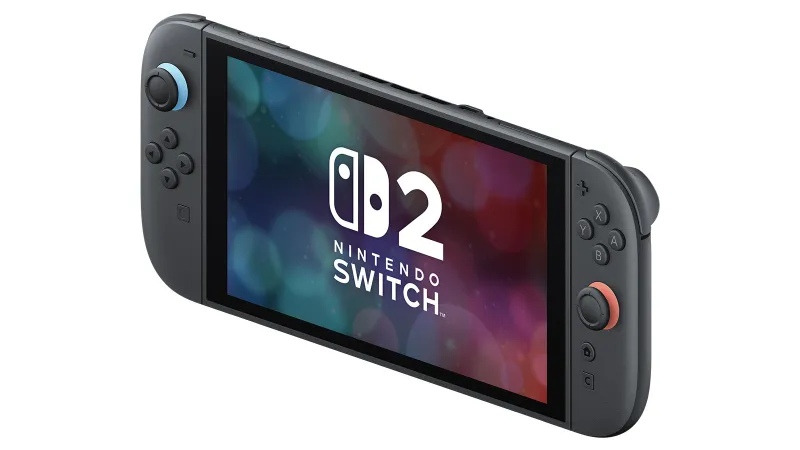
The Nintendo Switch 2 has officially arrived, marking a historic shift for the gaming giant. By opting for a direct sequel rather than a radical reinvention, Nintendo is betting on the proven hybrid formula that made the original Switch the third best-selling console of all time with over 152 million units sold. While it may lack the experimental shock factor of previous hardware launches, the Switch 2 refines nearly every aspect of its predecessor to set a new standard for portable gaming.
A Familiar Foundation Refined
At its core, the Switch 2 remains a hybrid machine that seamlessly transitions between handheld and home console modes. The dock functionality remains just as snappy as the original, providing a television signal without a hint of latency. However, Nintendo has addressed several quality-of-life grievances: the system now features USB-C ports on both the top and bottom, finally allowing for tabletop charging, and the game cartridge slot has been redesigned to be far more accessible.
Hardware Upgrades and Audio Excellence
The physical build feels more premium, featuring a sturdier, more slender stand that corrects the fragility of the original model. Perhaps most surprising is the audio quality; the built-in speakers deliver an impressive surround-sound simulation that genuinely creates a three-dimensional audio landscape. While the screen is not OLED, its vibrant color reproduction, HDR support, and improved refresh rate make titles like Zelda look and play better than ever before.
The Joy-Con 2 Evolution
The new “Joy-Con 2” controllers introduce subtle but welcome changes. The control sticks are smoother, the buttons are larger, and the new magnetic attachment system provides a satisfying, tactile snap when connected to the console. The addition of mouse functionality is an intriguing, if niche, feature, and the elongated L and R buttons significantly improve ergonomics during extended play sessions.
Connectivity and the New Chat Button
A major addition is the dedicated “C” (Chat) button. This feature simplifies social interaction, offering Discord-like capabilities, including camera sharing and gameplay streaming. Testing revealed impressive voice clarity—even with the microphone placed behind a television—and the inclusion of live-text transcription for accessibility is a significant step forward for Nintendo’s online ecosystem.
Game Management and Battery Life
The digital storefront is a massive improvement, shedding the sluggish performance of the original Switch for a fast, responsive interface. However, the introduction of “Virtual Game Cards” to manage digital libraries adds a layer of complexity that feels slightly unnecessary for solo players, even if it does enable the long-requested ability to loan digital games to family members.
The one potential drawback is the battery life. Despite claims of a 1.2x improvement, real-world usage suggests it drains faster under load than the original model. While the dual USB-C ports make charging easier, it remains the only notable point of contention in an otherwise polished package.
The Verdict: Is “Safe” Enough?
The Switch 2 is undeniably a safe console. It lacks the experimental “weirdness” of the Wii or the unique charm of the 3DS, but it succeeds by delivering exactly what players requested: a sharper, faster, and more capable version of a beloved platform. With backwards compatibility and enhanced performance for existing titles like Tears of the Kingdom, the Switch 2 proves that sometimes, refining perfection is exactly the right move.