
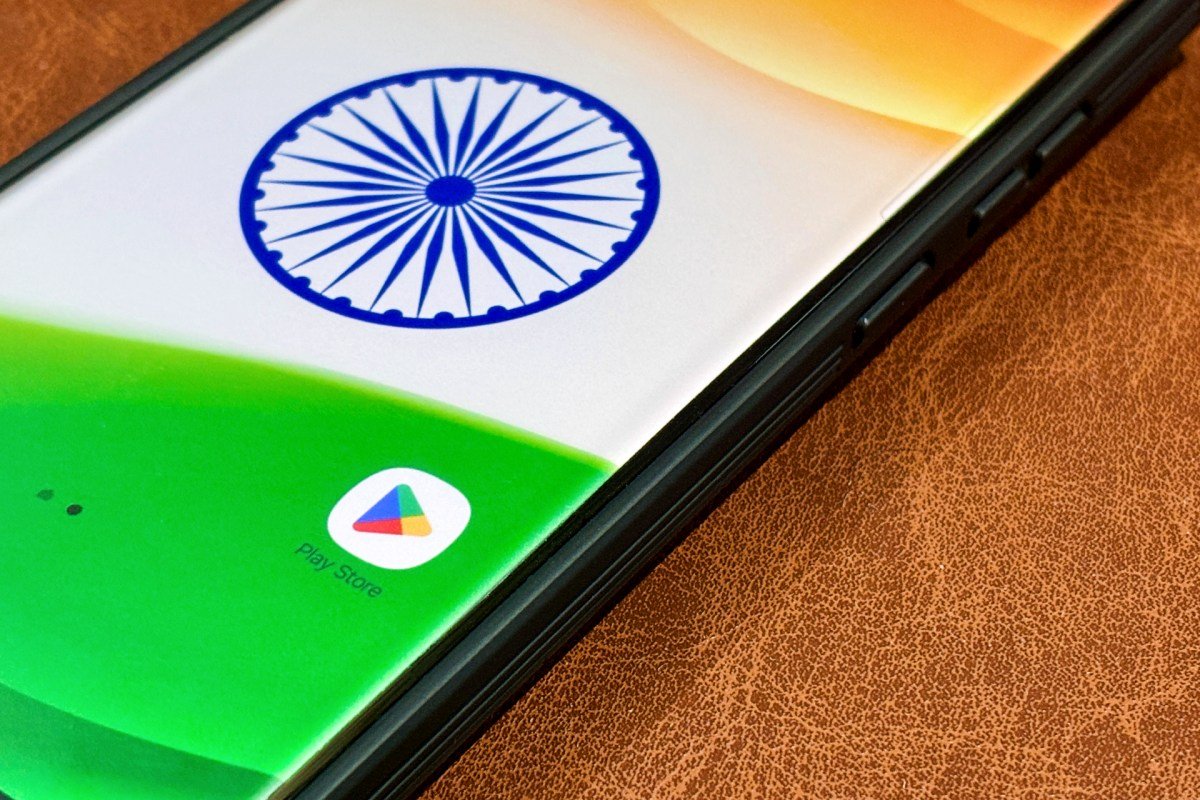
Google has officially proposed a new framework to the Competition Commission of India (CCI) that would allow a wider range of real-money games (RMGs) on the Play Store, aiming to resolve ongoing antitrust scrutiny while expanding its digital ecosystem in the region.
Expanding Access to Real-Money Gaming
Under the proposed changes, Google intends to permit the advertising of “games of skill” in India. To qualify, developers must provide third-party verification confirming their software is a game of skill rather than a form of gambling. Acceptable certifying bodies for this process include industry associations such as the All India Gaming Federation, the E-Gaming Federation, or the Federation of Indian Fantasy Sports.
If the CCI grants approval, Google plans to begin onboarding compliant real-money games onto the Play Store within 120 days. Related updates to advertising policies are slated to take effect within 150 days of the regulator’s final order.
Strategic Alignment and Market Impact
A Google spokesperson stated that the company is pleased the CCI is currently market-testing the proposed framework. The tech giant emphasized that this move reflects constructive dialogues with both the regulator and the Indian developer community, reinforcing a commitment to building a safer, more open environment for RMG applications.
The proposal carries significant financial implications, as a successful implementation would allow Google to capture a share of revenue from a vastly expanded catalog of real-money gaming apps and their associated ad placements.
The Scale of India’s Gaming Market
Real-money gaming is the primary driver of India’s online gaming sector, accounting for approximately 86% of total industry revenue—roughly ₹274.38 billion ($3 billion) in 2024—according to a joint report by WinZO and the Interactive Entertainment and Innovation Council (IEIC). While the sector is expected to grow to ₹785.51 billion ($8.9 billion) by 2029, the RMG share is projected to shift to 80% as non-real-money gaming segments gain traction.
Navigating Antitrust Hurdles
This initiative could provide a vital channel for developers who currently distribute their apps via APK files on proprietary websites rather than through official channels. However, the move occurs amidst a broader, ongoing investigation by the CCI into whether Google has engaged in discriminatory practices within the Indian market.
Google continues to face a series of antitrust challenges in India, including previous fines related to alleged abuse of dominance involving Android and the Play Store. The company recently approached the Supreme Court to appeal one of these rulings, with a hearing expected next month.
“We look forward to continuing to work with the CCI and the wider RMG ecosystem,” the Google spokesperson added, expressing confidence that the proposed framework will empower Indian developers and bolster the digital economy while maintaining rigorous user safety standards.