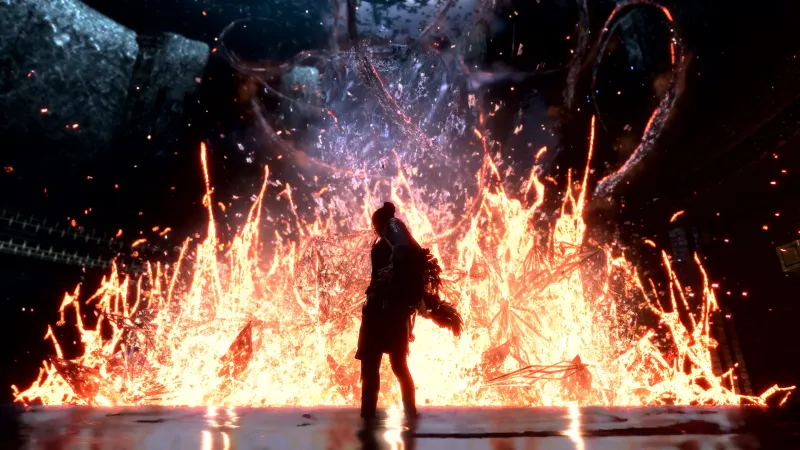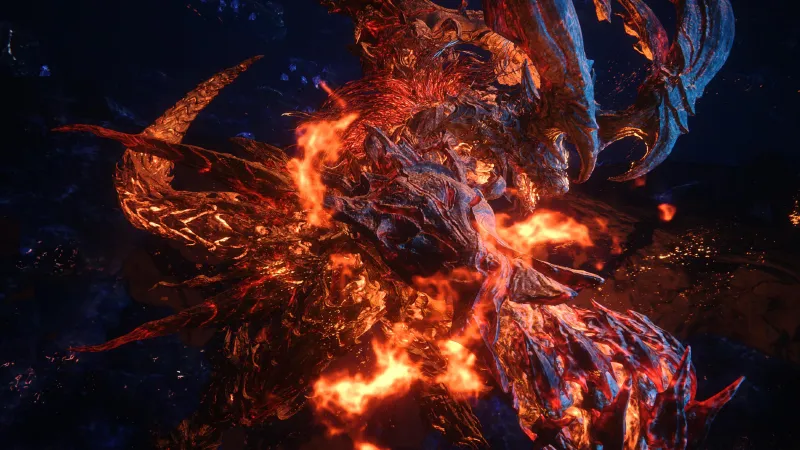

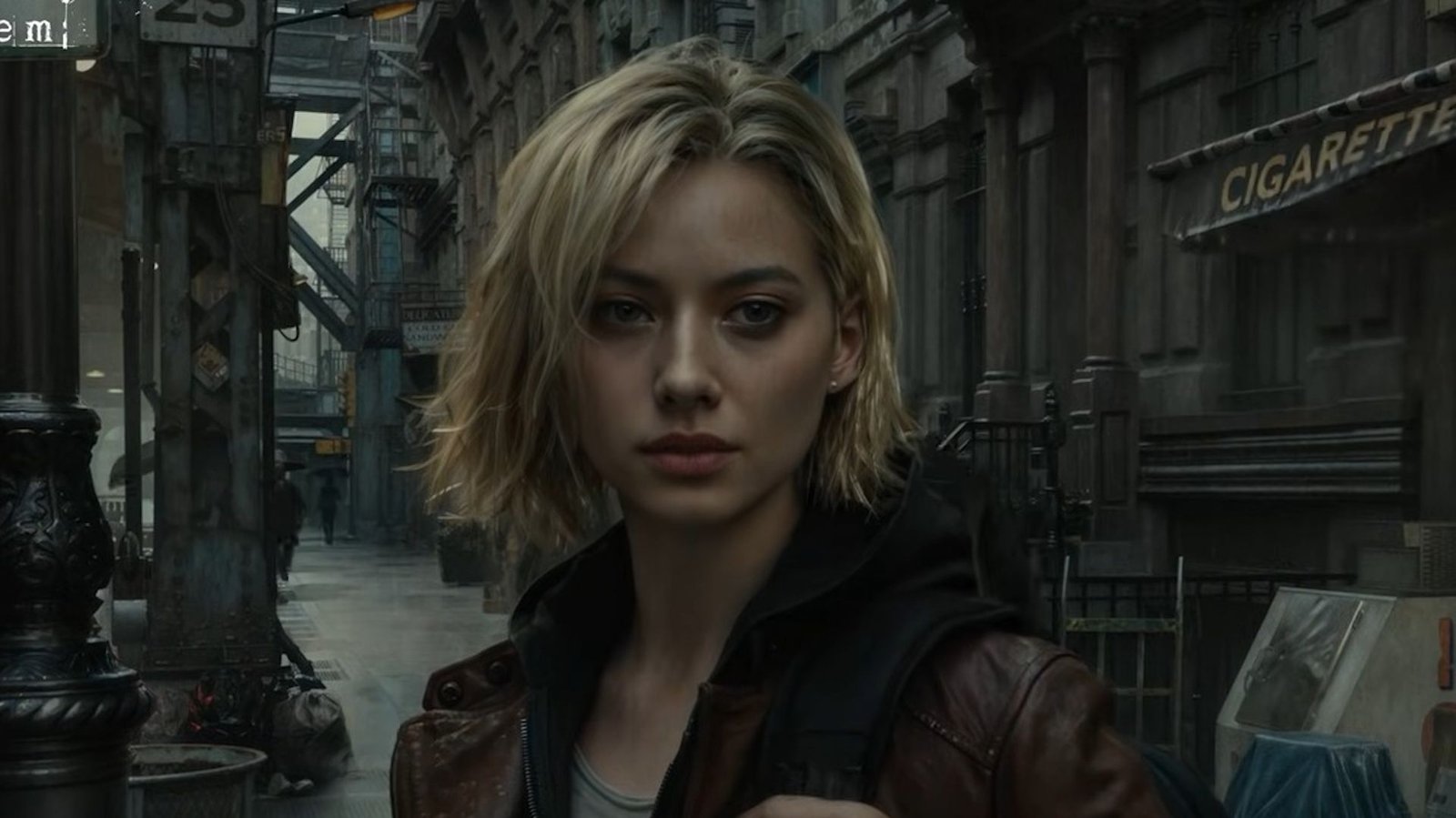
Capcom producer Masato Kumzawa recently addressed the intense negative fan reaction to the AI-enhanced DLSS 5 demo of Resident Evil Requiem, viewing the community’s outrage as a validation of the original character design.
Fan Backlash as a Design Validation
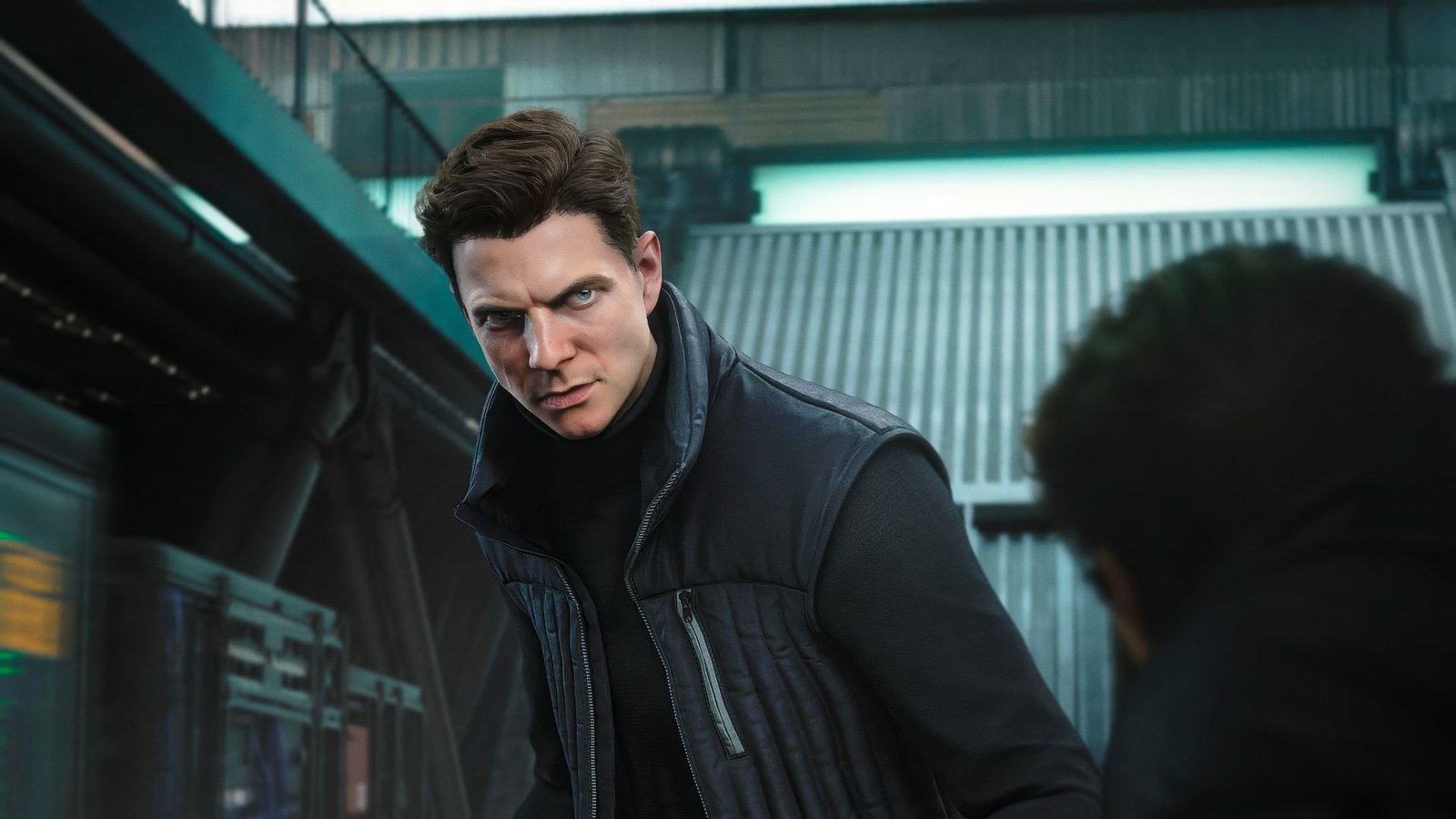
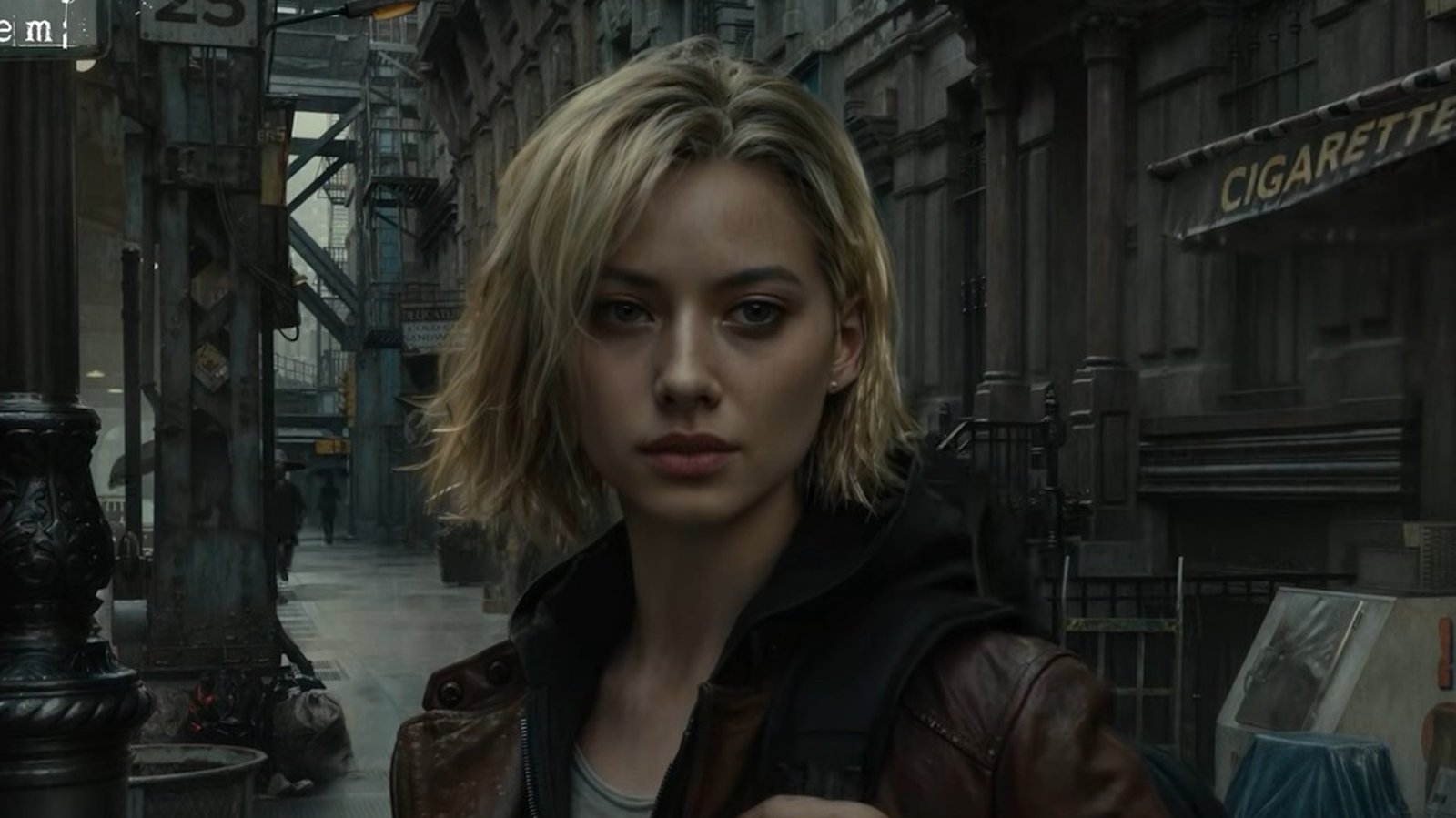
When Nvidia showcased its AI-powered DLSS 5 technology earlier this year, the demonstration featured “yassified” versions of Leon and Grace from Resident Evil Requiem. While presented as a leap in next-generation graphics, the reaction was immediate and overwhelmingly negative, with fans labeling the AI makeover an insult to the game’s established art direction.
Masato Kumzawa, producer at Capcom, stated that the studio is actually pleased with the feedback. “The fact a lot of players commented they really liked the original design of Grace and didn’t want to see it changed was a positive,” Kumzawa told Eurogamer. He noted that the strong opinions regarding her appearance underscore that the original design was successful and that Grace has firmly established herself as a fan-favorite character.
The Ambiguity of Visual Fidelity
The extent of Capcom’s involvement in the Nvidia demonstration remains unclear. However, during the initial announcement, executive producer Jun Takeuchi described the technology as “another important step in pushing visual fidelity forward.”
While some proponents might claim the DLSS 5 filter offers “better” visuals, the improvement is largely limited to conventional beauty standards—brighter eyes, fuller lips, and smoother skin—rather than genuine graphical fidelity. Critiques have pointed out that these aesthetic adjustments feel incongruous with the game’s tone, as Grace is a character navigating unknown horrors, not one concerned with applying makeup.
Technical Controversy Surrounding DLSS 5
Nvidia’s communication regarding the inner workings of DLSS 5 has been inconsistent. CEO Jensen Huang initially claimed the tech integrates with a game’s internal rendering engine to produce its effects. Shortly thereafter, an Nvidia employee contradicted this, clarifying that the process functions as an AI filter applied over 2D images.
While previous iterations of DLSS provided useful machine learning-based upscaling, this latest application has faced significant scrutiny for potentially undermining the goodwill built by the company’s earlier technical achievements.