
Playing retro-inspired games feels like revisiting a childhood theme park; there is an instinctual comfort in the familiar mechanics and art styles. SFB Games’ Crow Country, a PS1-inspired survival horror title, leans heavily into this nostalgia by setting its entire narrative within an eerie, abandoned theme park.
A Familiar Genre Formula
Crow Country wears its influences on its sleeve, embracing classic survival horror tropes from Resident Evil and Silent Hill, including tank controls and intricate item-based puzzles. While the game pays loving tribute to these titans of the genre, it occasionally struggles to capture their legendary magic. Despite some uneven pacing, it remains a comforting addition to the modern retro-horror landscape.
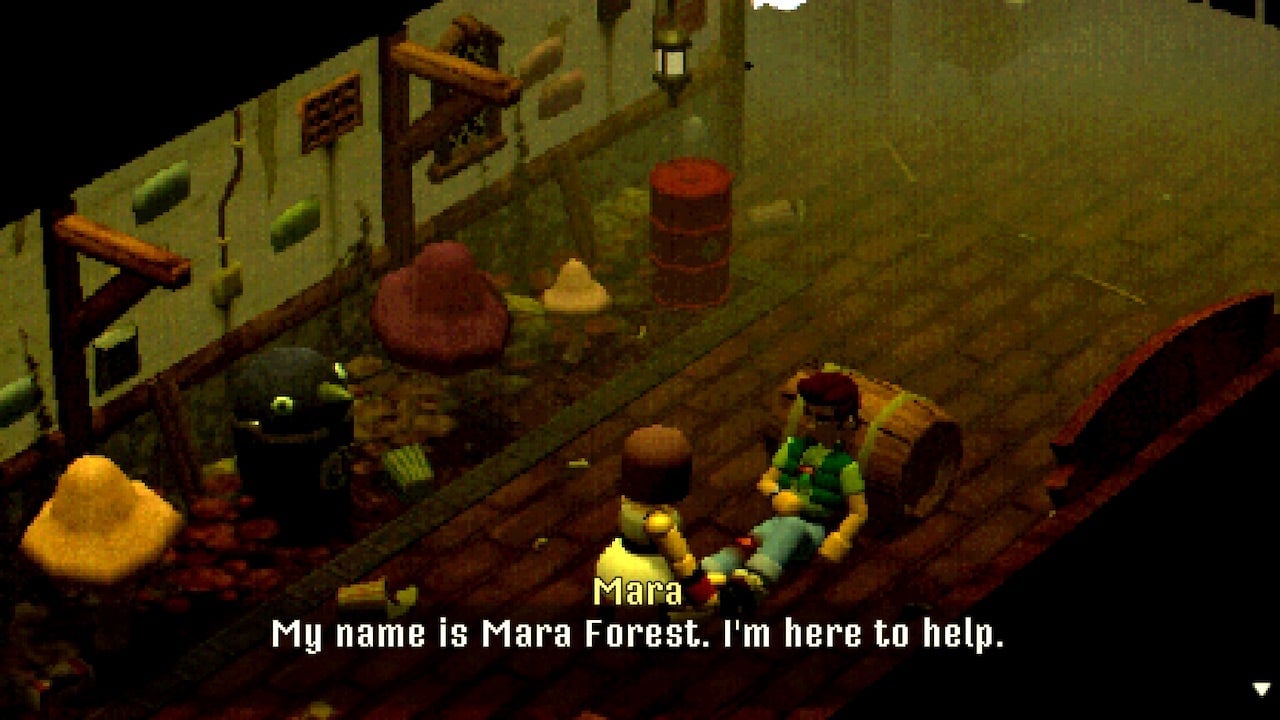
The story begins abruptly, dropping players into the role of detective Mara Forest as she infiltrates the derelict Crow Country park. Her mission is straightforward: locate the park’s missing owner, Edward Crow. This simple premise drives exploration as players navigate through four distinct park areas, fending off zombie-like threats while unraveling the park’s dark secrets.
Puzzle-Solving and Backtracking
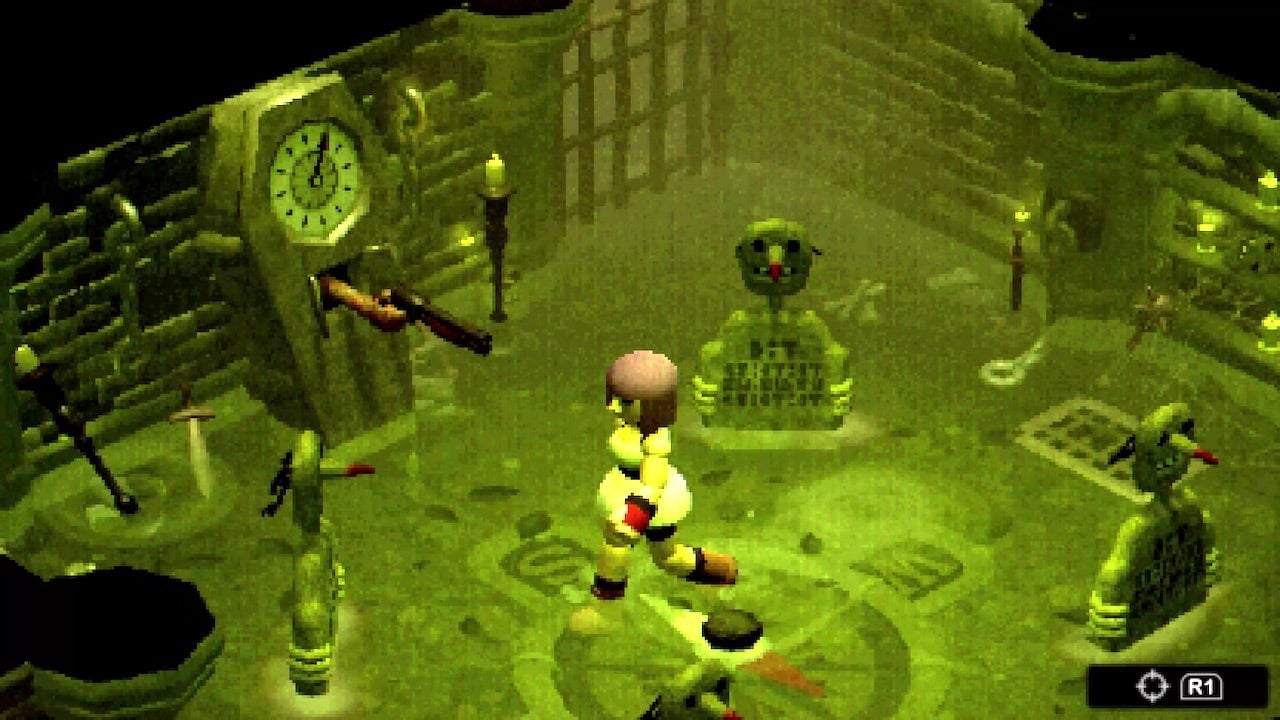
Progression in Crow Country relies on a series of complex puzzles that gate off different sections of the park. Much like the iconic Spencer Mansion, players must frequently backtrack, collecting key items to unlock new areas. The park itself is a highlight; the environmental design effectively utilizes the inherent creepiness of abandoned attractions. From the unsettling “Haunted Hilltop” to the eerie “Ocean Kingdom,” each zone exudes a unique and unsettling atmosphere.

A Unique Visual Identity
While the mechanics draw from Resident Evil, the visual language feels reminiscent of Final Fantasy VII. The characters are rendered in a charming, chibi-like style, existing within detailed, doll-house-like environments. This aesthetic choice initially seemed like a potential clash with the horror tone, but it succeeds in creating a distinct visual identity that does not detract from the game’s sense of dread.
Where the Mechanics Falter
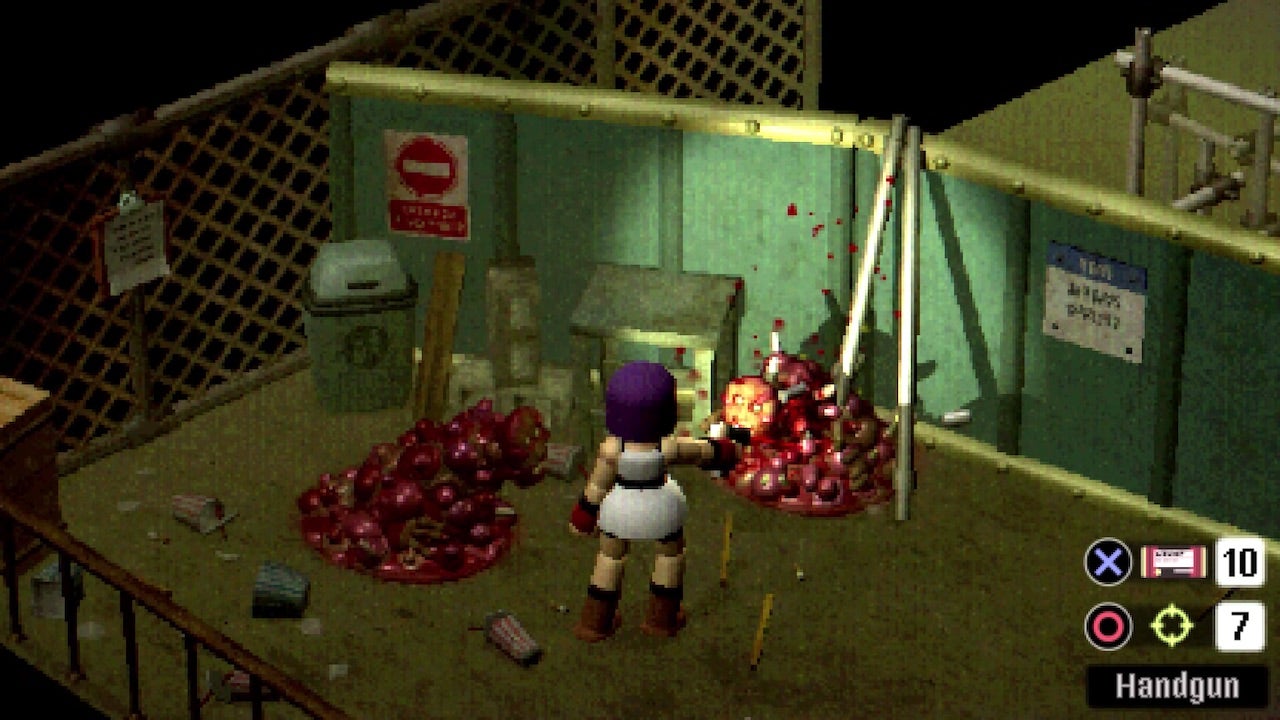
The game’s traditional survival horror pillars—gunplay, resource management, and puzzles—are its weakest links. Combat, while intended to feel risky due to stationary aiming, lacks impact. Enemies are easily avoided, and the lack of meaningful boss encounters leaves the combat feeling like an afterthought. Furthermore, the puzzles fluctuate between engaging logic challenges and tedious “fetch quests” that feel like mere busywork.
Perhaps the most significant missed opportunity is the resource management system. In classic survival horror, limited ammunition and health items are essential for building tension. In Crow Country, resources are abundant, removing the “friction” that creates genuine fear. Without the pressure of scarcity, the gameplay experience often feels frictionless and, at times, dull.
Ultimately, Crow Country acts as a shadow of its inspirations. While it successfully replicates the aesthetic and structure of PS1-era horror, it lacks the mechanical depth of the classics it imitates. It is a peculiar experience that will likely satisfy genre enthusiasts looking for a simplified, nostalgic trip, even if it fails to reach the heights of the games that paved the way.