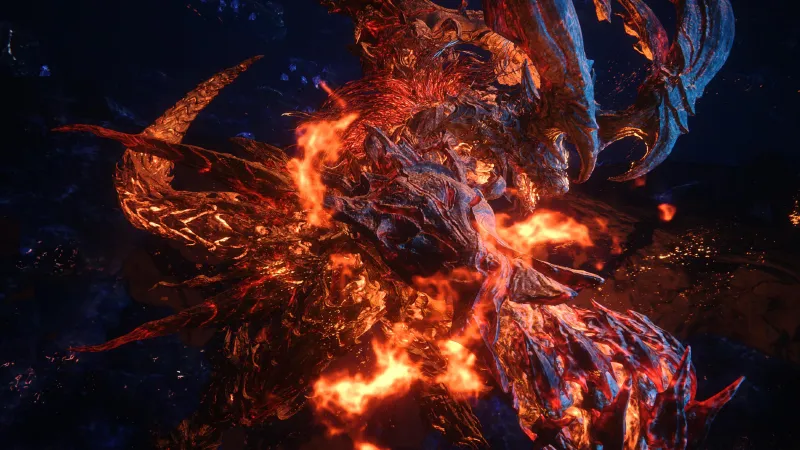


Yoko Taro, the mastermind behind the Nier: Automata series, accidentally stumbled into his career as a legendary game director simply because he wouldn’t stop sharing his opinions during the development of the 2003 cult classic Drakengard.

The Accidental Director
In the new book The Worlds of Yoko Taro, published by Archipel and featured in an excerpt by journalist Matt Leone, the director reflects on his early days at the now-defunct developer Cavia. According to Taro, his ascension to the director’s chair was not a result of grand ambition, but rather a byproduct of timing and his own vocal nature.
Originally, Cavia producer Takuya Iwasaki was slated to direct Drakengard. However, the studio was simultaneously working on the Capcom-published shooter Resident Evil: Dead Aim. The workload proved too heavy for Iwasaki, forcing the team to find a replacement.
“He’s Got So Much to Say”
“Given his situation, they decided it’d be too much for him to take on the role of director,” Yoko explains. Because he was the most vocal member of the team, his colleagues reached an easy consensus: “They said, ‘Why don’t we just let Yoko do it, since he’s got so much to say?’ And that’s how I landed the job.”
Taro maintains that he lacked any specific drive to lead, viewing the situation as a simple matter of corporate circumstance. “It wasn’t that I had some great ambition to become a director. It’s just that events happened to unfold that way. That’s how companies are, right?”
Creative Freedom Through Apathy
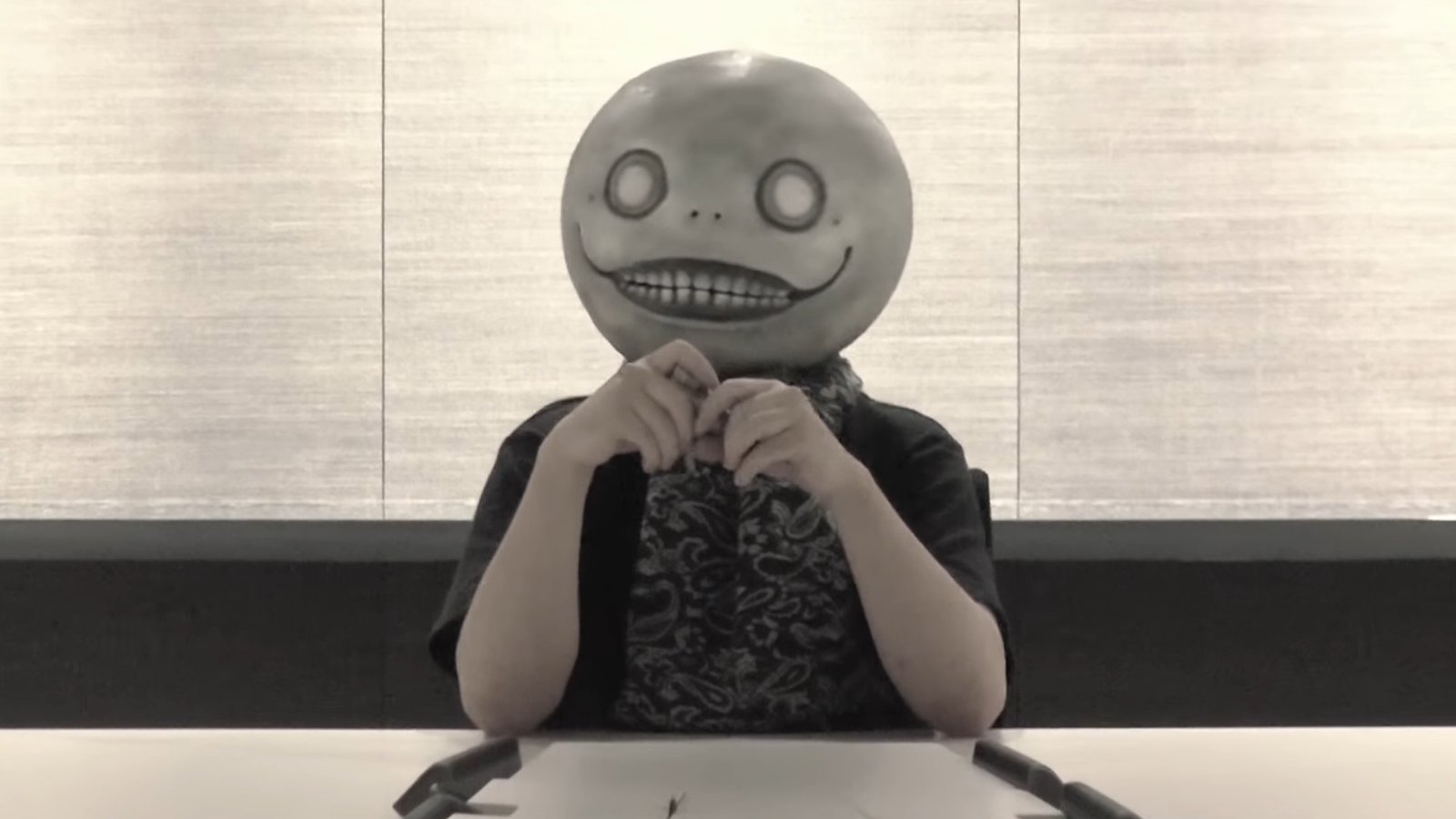
While Taro often presents himself with self-deprecating humor—and famously hides behind his signature mask—his work on the Drakengard and Nier series suggests a deeply calculated artistic vision. He notes that Square Enix had little involvement in Drakengard, which provided him with the “creative space to build that kind of world.”
Despite the dark, complex, and often bizarre narratives he is famous for, Taro insists that he never set out to express himself through his projects. Instead, he describes his process as solving a puzzle within a set of constraints. “Fundamentally, it started with an assignment from Enix, then analyzing the state of the game market at the time, and from there, just doing the calculations.”
Reflecting on his peers, Taro suggests that his generation of directors is filled with “a lot of weirdos” because, during their formative years, video games were far from the mainstream industry they are today.