
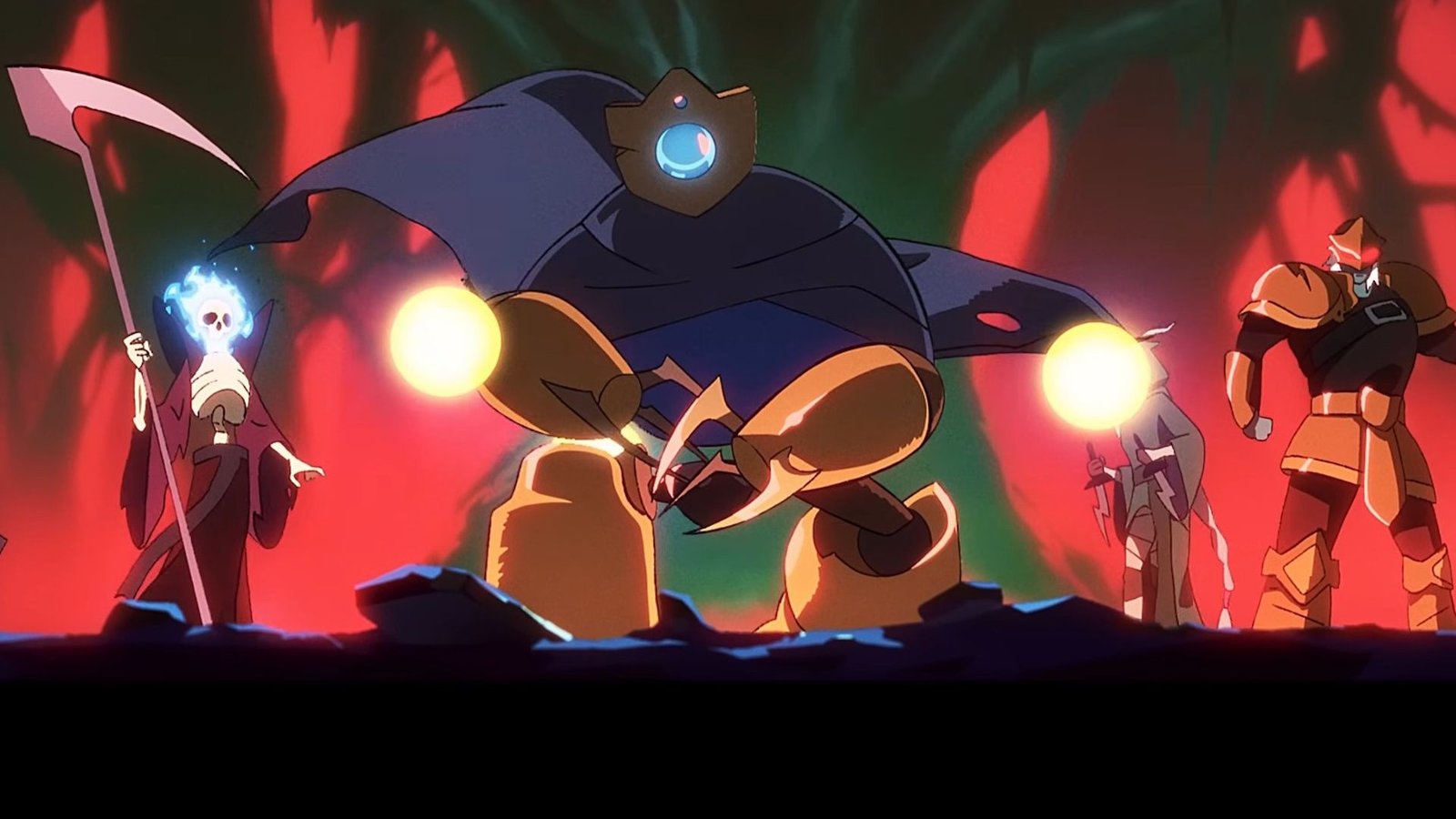
Mega Crit developers originally planned to support the original Slay the Spire indefinitely rather than create a sequel, but the collapse of their publisher, Humble Games, forced a strategic pivot.
The Naivety of an Indie Dream
While Slay the Spire 2 has achieved massive success despite the typical early access balancing debates, the project was never part of the original roadmap. Co-creator Casey Yano admitted in Edge Magazine issue #423 that the team initially dismissed the idea of a sequel. “In a Reddit comment a long time ago, I was like, ‘We’re not going to make a sequel! Why would we do that? We’ll just update the first one,'” Yano recalled. “But I guess we were a little naive.”
The studio’s initial ambition mirrors the long-term support models seen in titles like Terraria, Stardew Valley, and No Man’s Sky. However, the operational reality for Mega Crit proved far more complicated than simply pushing perpetual updates.
Publisher Collapse and Technical Roadblocks
The turning point for the franchise was the 2024 shutdown of Humble Games, the publishing arm responsible for handling console and mobile ports of the original game. This event left those versions of the title in a state of uncertainty.
“We couldn’t just work more on Slay the Spire 1, because its future was very murky,” Yano explained. Beyond the logistical nightmare of the console and mobile ports, the team also had to contend with the vast ecosystem of existing PC mods. Mega Crit realized that any significant evolution of the core gameplay formula would require a clean slate—making a sequel the only viable path forward.
A Coin Toss and a New Chapter
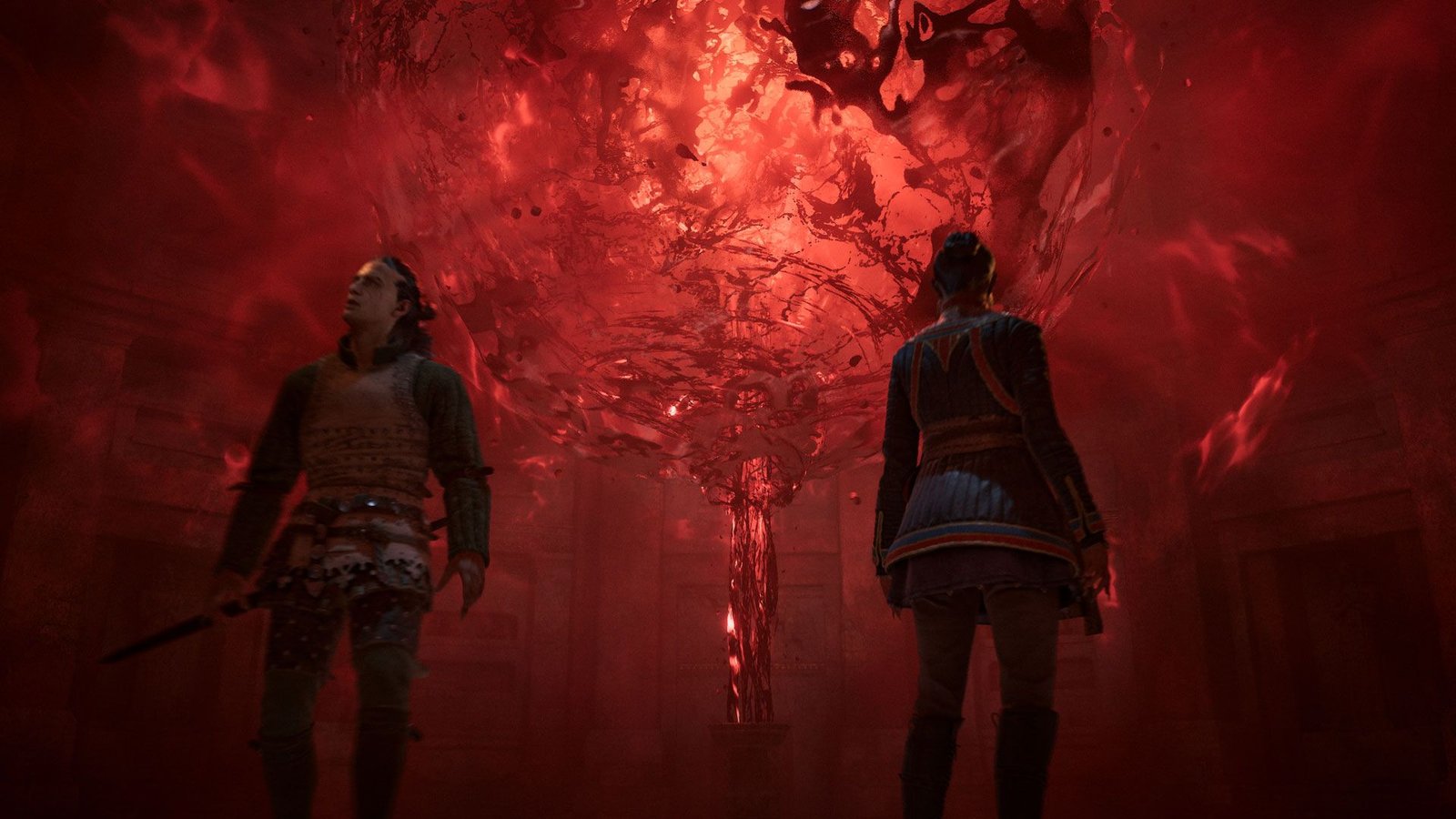
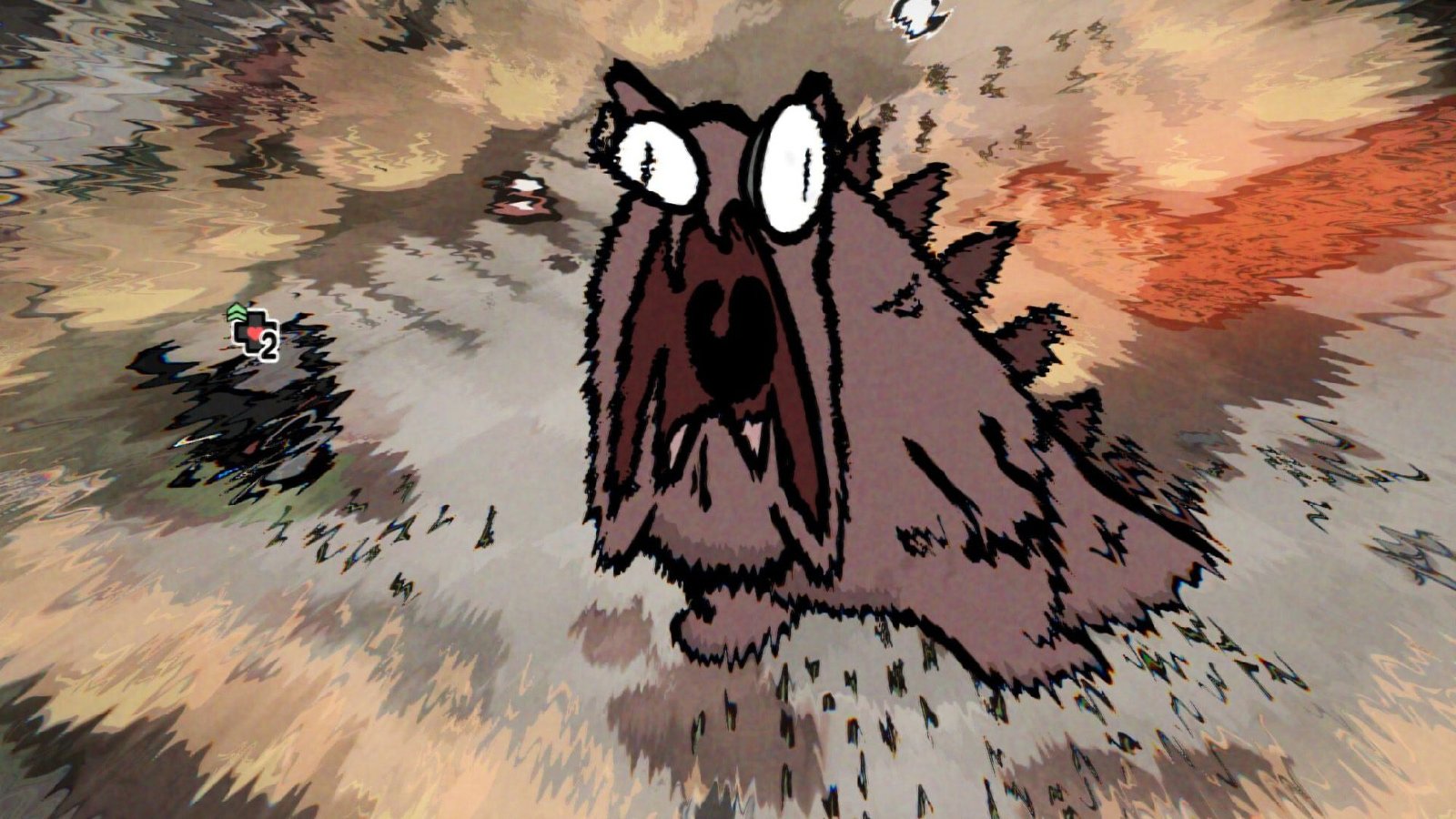
The path to development took an unconventional turn when the team literally flipped a coin to decide their next project. The result is a successor that manages to feel both entirely new and comfortingly familiar. While Slay the Spire 2 introduces fresh classes, relics, cards, and enemies, it retains the fundamental spirit that defined its predecessor.
The development process wasn’t without its own internal friction; for instance, the number of new cards was nearly reduced due to Yano’s personal affinity for Dark Souls-inspired design, a direction that playtesters reportedly rejected entirely.