
Dragon’s Dogma 2 successfully resurrects a 12-year-old cult classic, blending modern design with the original’s uncompromising spirit to deliver a sprawling, unpredictable adventure that remains captivating even after 50 hours of gameplay. By forcing players to navigate a world where they are merely one piece of a larger, dangerous puzzle, the game masterfully balances epic power struggles with the humble, often brutal reality of survival.
The Living World of Vernworth
The game wastes no time dropping players into intense political friction. While the main narrative provides the necessary structure for your journey, the plot truly finds its footing in the final 15 hours, delivering high-stakes moments that leave a lasting impact. At the center of this world is Vernworth, a bustling capital city that feels genuinely alive. From the affluent noble quarters to the crowded merchant stalls, the city’s NPCs move with purpose, making the environment feel reactive and organic regardless of your direct involvement.
Survival Beyond the City Walls
True adventure in Dragon’s Dogma 2 begins the moment you step outside the safety of the city. Every expedition requires meticulous preparation; players must constantly manage pack weight against the necessity of healing items and camping gear. This emphasis on resource management makes every excursion a high-stakes decision, turning simple travel into a core pillar of the gameplay experience.
Mastering Vocations and Combat
Combat is defined by its brutality and depth, offering a variety of Vocations that drastically alter how you engage with foes. Whether you prefer the agile, monster-climbing Thief or the methodical, high-damage output of the Sorcerer and Mystic Spearhand, the game encourages constant experimentation. These encounters are often long and grueling, yet the high-reward nature of these battles makes the risk of failure feel earned.
The Evolution of the Pawn System
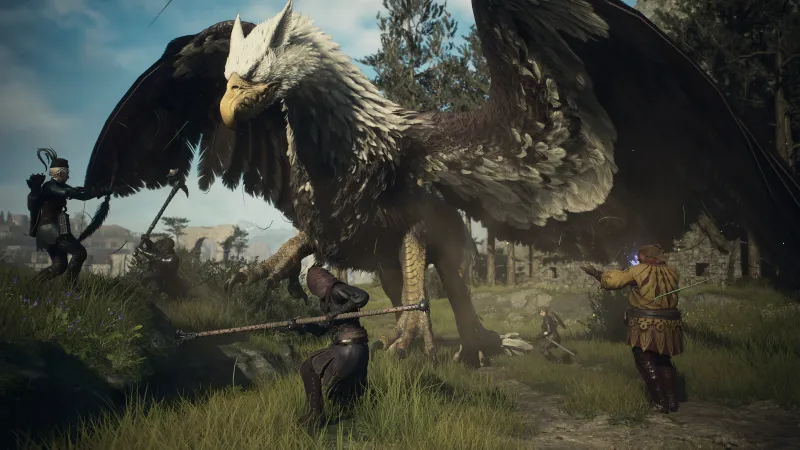
The iconic Pawn system returns with refined improvements that reward strategic party building. By allowing players to create a core companion and recruit others from the Rift, the game incentivizes a constant rotation of party compositions. Having a team tailored to specific threats—even if it means sacrificing a healer for pure offensive power—is essential to overcoming the game’s most gruesome encounters, such as the hulking Minotaur or the lethal Griffon.
Performance and Exploration Challenges
While the spectacle of large-scale battles is undeniable, the console experience does suffer during intense sequences. When multiple enemies occupy the screen and complex spell effects trigger, the frame rate can drop significantly. Furthermore, the game’s minimalist approach to map markers forces players to act as detectives. While this enhances the role-playing experience, it occasionally leads to tedious “wild goose chases” due to vague objective clues and limited fast-travel options, meaning a wrong turn can result in hours of lost time.
A Worthy Successor
Dragon’s Dogma 2 succeeds by refusing to sand down the edges that made its predecessor unique. It is a title that prioritizes player agency, discovery, and a sense of scale that few modern RPGs achieve. Despite minor technical hiccups and occasional navigation frustrations, the final experience is a standout achievement and a triumphant return for the franchise.