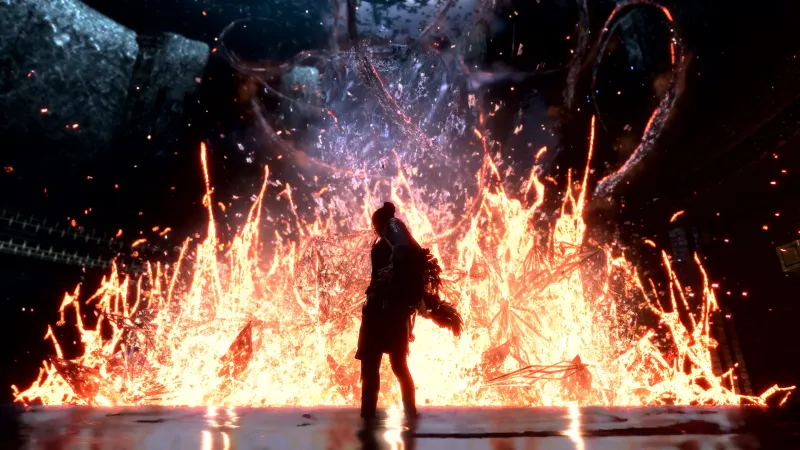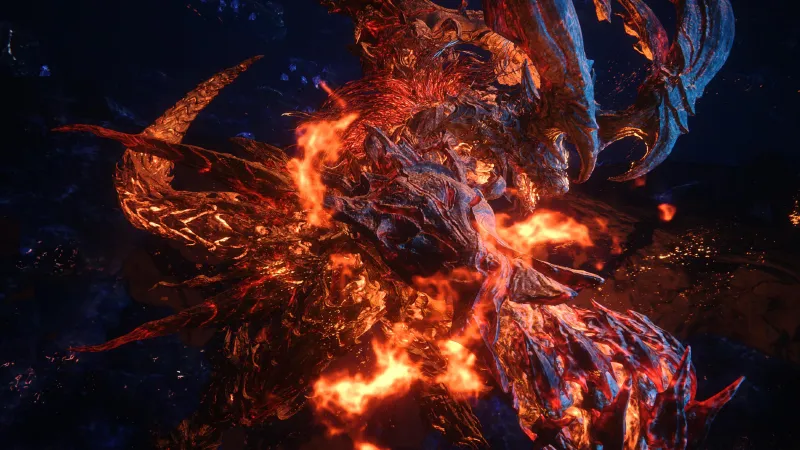

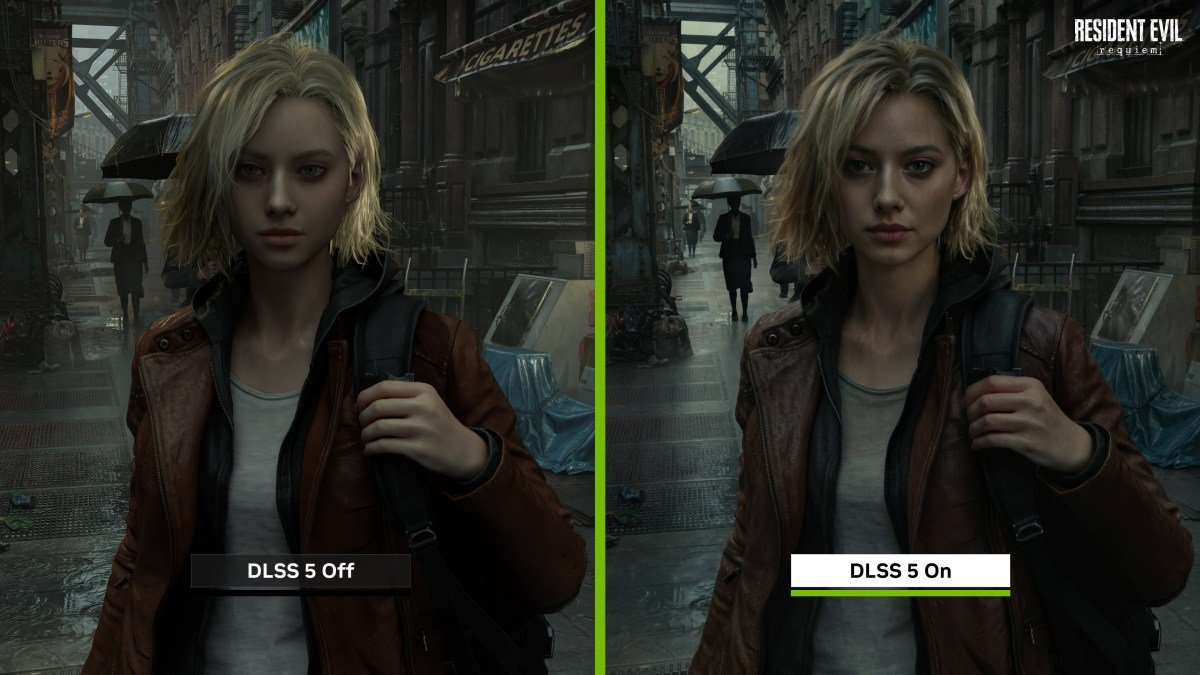
Nvidia is pushing the boundaries of real-time graphics with the development of DLSS 5, a technology leveraging generative AI to fundamentally transform photorealism in video games while setting sights on broader applications beyond the gaming industry.
The Evolution of AI-Driven Graphics
The progression toward DLSS 5 marks a significant shift in how hardware handles visual fidelity. By integrating generative AI models, Nvidia aims to move past simple upscaling, allowing for the creation of complex, lifelike environments that react in real-time. This leap represents more than just a frame-rate boost; it is a fundamental change in how game engines interpret and render virtual worlds.
Beyond Gaming: A New Era for AI Agents
During a recent discussion on the future of computing, Nvidia CEO Jensen Huang highlighted the broader implications of this technology. “In the future, what’s going to happen is these data structures are going to be used by AI, and AI is going to be much, much faster than us,” Huang stated.
The vision extends to how future AI agents will interact with the world. According to Huang, these agents will rely on a hybrid of structured databases and the unstructured, generative databases that DLSS 5 helps pioneer. “Future agents are going to use structured databases as well as the unstructured database, the generative database. This database represents the vast majority of the world,” he added.
Redefining Digital Interaction
As Nvidia continues to refine these generative capabilities, the distinction between rendered graphics and real-world physics continues to blur. By harnessing the power of generative AI, the company is not only improving how we play games but is also building the infrastructure for autonomous agents capable of navigating and understanding the vast, unstructured data that defines our physical reality.